Well Water Treatment Systems
Hard water, iron stains, sulfur smells and bacteria are common on private wells. We start with a lab test, then recommend only the treatment your water needs, sized so it works with your pump and pressure.
What well water treatment involves
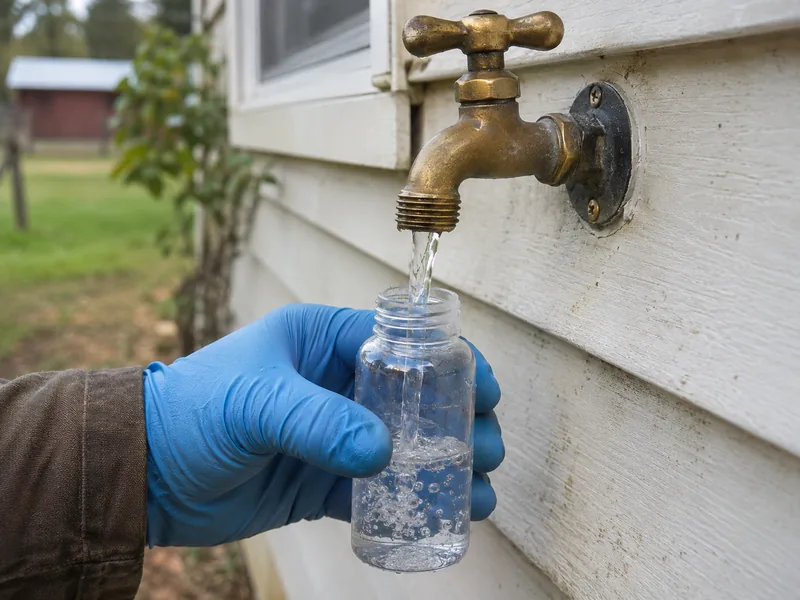
Every well is different. Treatment should start with a water test, not a sales pitch. We collect samples and send them to a certified lab, then explain the results and recommend a system.
Common systems include sediment filters for sand and grit, softeners for hardness, oxidizing filters for iron, manganese and hydrogen sulfide, UV systems for bacteria, and reverse osmosis for drinking water. Some systems backwash and need enough flow from the pump, so we check flow before choosing.
Because we work on pumps, we install treatment so it does not starve the pressure system, and we include bypass valves for easy service.
Signs your water needs treatment
- Orange or brown stainsIron in the water.
- Black stainsManganese.
- Rotten-egg smellHydrogen sulfide.
- White scaleHard water.
- Sand or gritSediment from the well.
- Positive bacteria testContamination needing disinfection.
What our treatment service includes
A trained technician does the work and talks you through it. You get the price in writing before anything is replaced.
Lab water test
Certified lab testing for common concerns.
System recommendation
Only what your water needs.
Flow check
Pump flow checked for backwashing systems.
Installation
With bypass valves and proper drains.
Startup and settings
Programmed for your water.
Follow-up test
Confirm the system is working.
Treatment and pump performance
Filters and softeners create pressure loss. A clogged sediment filter can make a good pump look weak. Backwashing filters need a certain flow rate to clean themselves.
We size treatment to your pump and check pressure before and after, so you get clean water without low water pressure.
How a well water treatment visit works
The same four steps on every job, from a quick switch swap to a 600-foot pump pull.
Call or book online
Describe the symptoms. We triage on the phone and load the truck with the parts they point to.
Test before touching
We check voltage, amps, motor resistance, tank charge and flow, and tell you what we find.
Price in writing
You get the diagnosis and a fixed price before we start. If you want to think it over, that is fine.
Fix, flush and verify
Repair completed, well disinfected after any pull, and the system cycled until pressure is steady.
Questions about well water treatment
How do I know what treatment I need?
A lab water test is the only reliable way to know.
Will a filter lower my water pressure?
Some pressure loss is normal. Correct sizing and regular changes keep it small.
How often should I test my well water?
At least once a year for bacteria and nitrates, more often if you notice changes.
Can treatment remove arsenic?
Yes, with the right system, often reverse osmosis or specialized media.
Do I need a UV system?
If your well has recurring bacteria problems, a UV system provides continuous protection.
Related work
One worn part often wears out the next. These jobs tend to come up alongside well water treatment.
Well Shock Chlorination
Disinfection for bacteria, odors, floods and after pump work, with follow-up testing.
Learn moreWell Inspection for Home Sales
Pre-purchase and pre-listing well inspections: equipment, flow, water quality and a report.
Learn moreLow Water Pressure Repair
Weak showers and slow faucets traced to the switch, tank, pump, filters or well.
Learn moreWell Rehabilitation
Restore lost yield by cleaning clogged screens and fractures of iron, scale and biofilm.
Learn moreWell Water Treatment near you
Need well water treatment?
Tell us what the pump is doing. We will give you a likely cause, a price range and an arrival window on the first call.